The Timeless Appeal of Botanical Patterns in Decorative Art
In the ever-evolving world of interior design and visual arts, few trends have demonstrated as much staying power as botanical patterns decorative art. From the intricate tapestries of the Victorian era to the sleek, minimalist prints adorning modern living spaces, nature-inspired motifs continue to captivate designers and homeowners alike. But beyond their aesthetic charm lies a deeper significance: these patterns serve as a bridge between our built environments and the natural world that sustains us.
This article explores the rich history, psychological impact, and practical applications of botanical designs. Whether you are an interior designer seeking inspiration or a homeowner looking to refresh your space, understanding the nuances of this artistic genre will help you make informed decisions about your decor.
What Are Botanical Patterns?
At its core, botanical patterns refer to repetitive designs featuring flora such as leaves, flowers, vines, and fruits. However, the term encompasses far more than just a simple picture of a plant. It involves the stylization, arrangement, and repetition of these organic forms into cohesive visual narratives.
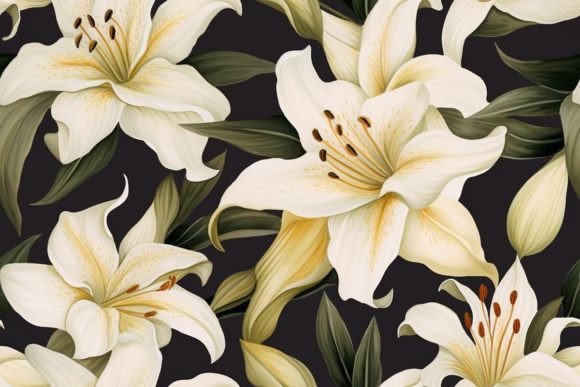
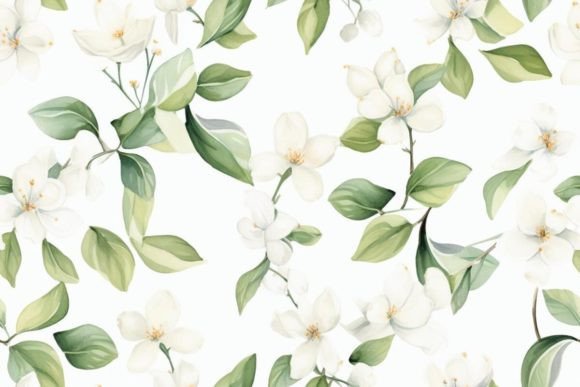
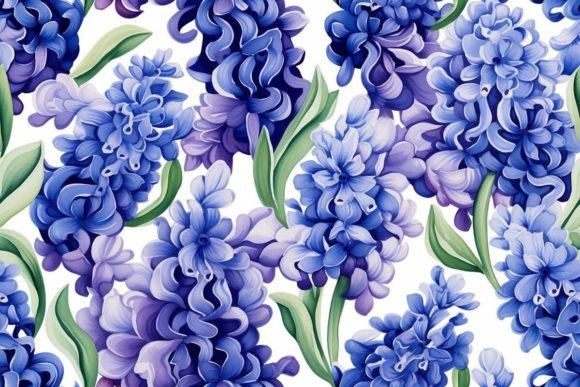
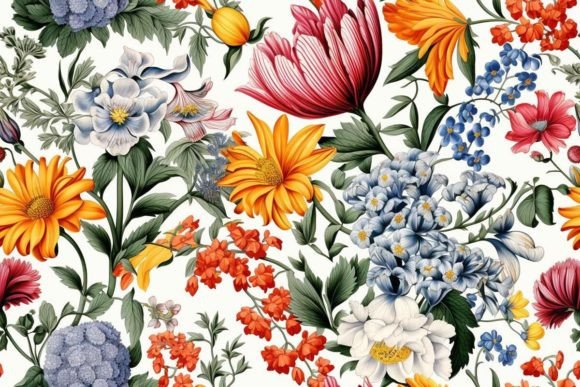
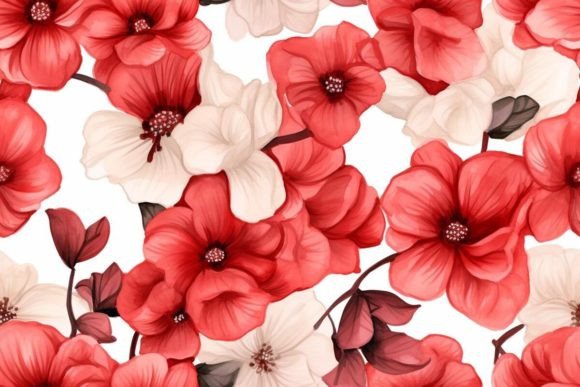
These patterns can range from hyper-realistic illustrations that mimic scientific diagrams to abstract interpretations where only the silhouette or texture of a leaf is visible. The beauty of botanical art lies in its versatility. A single design can be rendered in watercolor for a soft, romantic look, or printed in bold, high-contrast colors for a contemporary statement piece.
The Distinction Between Illustration and Pattern
It is important to clarify a common misconception: not all images of plants are "patterns." In the context of decorative art, a pattern implies a repeating unit designed to cover a surface. When we speak of downloading files like JPGs for home decor, we are typically looking for seamless textures or tileable designs that can be applied to wallpaper, fabric, wrapping paper, or digital backgrounds without visible breaks.
While individual botanical illustrations are beautiful on their own, the true magic happens when they are arranged rhythmically. This repetition creates a sense of order and harmony, transforming chaotic natural forms into structured elegance.
A Journey Through History: From Ancient Walls to Modern Screens
The human fascination with plant life is ancient. Archaeological evidence suggests that early civilizations used botanical motifs to decorate pottery, textiles, and temple walls. In Ancient Egypt, the lotus flower was a symbol of rebirth and was frequently depicted in geometric arrangements. Similarly, in Persian culture, the "tree of life" motif became a staple in rug weaving and manuscript illumination.
During the Renaissance, the demand for accurate plant depictions surged alongside the development of botany as a science. Artists began creating detailed plates for herbals, which served both educational and decorative purposes. These works laid the groundwork for the elaborate floral wallpapers that would later define the Victorian age.
In the 19th century, the Arts and Crafts movement, led by figures like William Morris, championed the use of natural forms as a reaction against industrialization. Morris's designs were dense, complex, and deeply rooted in English countryside flora. Today, his legacy lives on in the popularity of vintage-style botanical prints.
Fast forward to the 21st century, and botanical patterns have found a new home in the digital realm. With the rise of digital printing and customizable decor, enthusiasts can now access vast libraries of designs. As noted in modern collections, users often receive ZIP files containing various JPG formats, allowing them to experiment with different scales and colorways before committing to a large-scale installation.
Why We Love Nature-Inspired Design
Why do botanical patterns remain so popular? The answer lies in a concept known as biophilia, which describes the innate human tendency to seek connections with nature. Studies have shown that exposure to natural elements, even in two-dimensional form, can reduce stress, lower blood pressure, and improve cognitive function.
Creating Calm in a Chaotic World
In our fast-paced, technology-driven lives, the soothing presence of greenery and flowers offers a visual respite. A wall covered in a subtle fern pattern or a sofa upholstered in a delicate cherry blossom print can instantly soften the harsh lines of modern architecture. This is particularly relevant in urban environments where access to actual gardens may be limited.
Versatility in Style
One of the greatest strengths of botanical art is its chameleon-like ability to adapt to various styles:
- Scandinavian: Uses muted greens, whites, and simple line drawings of monstera leaves or eucalyptus.
- Bohemian: Embraces vibrant tropical prints, macaws, and lush jungle foliage.
- Traditional: Features classic roses, peonies, and damask-style repeats in gold and cream.
- Modern Minimalist: Focuses on singular, oversized botanical elements with plenty of negative space.
Practical Applications in Modern Life
Beyond mere decoration, botanical patterns play a functional role in various aspects of daily life and business.
Interior Design and Home Staging
For real estate agents and home stagers, botanical patterns are a secret weapon. They add warmth and personality to empty rooms without overwhelming potential buyers. A well-chosen wallpaper can make a small room feel larger by drawing the eye upward, while a bold floor covering can anchor a spacious area.
Fashion and Textiles
The fashion industry relies heavily on botanical prints. From summer dresses to winter scarves, floral and leaf motifs allow brands to stay connected to seasonal cycles. Digital artists often create high-resolution JPG files specifically for textile manufacturers, ensuring that the intricate details of the pattern translate perfectly onto fabric.
Digital Content and Branding
In the digital space, botanical aesthetics are trending for websites, social media graphics, and packaging. Brands aiming to project values of sustainability, health, and organic growth often utilize these patterns. For example, a skincare company might use a background of lavender or chamomile to signal natural ingredients.
Navigating Digital Collections: What to Expect
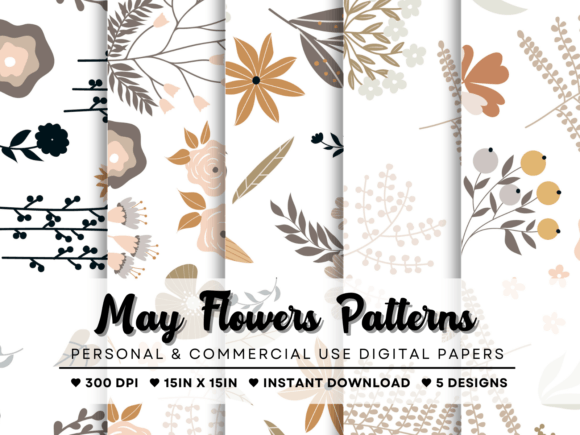
As the market for digital assets grows, consumers often encounter packages described as "Botanical Patterns Decorative Art" containing multiple files. It is crucial to understand what you are purchasing to avoid disappointment.
When browsing or downloading these resources, keep the following in mind:
- File Formats: Most collections come as ZIP archives containing high-quality JPG files. Ensure your software can handle these resolutions if you plan to print them large.
- Title Accuracy: Be aware that titles in digital marketplaces are sometimes randomly generated or generic. A file titled "Floral Set 4" might actually feature succulents or ferns. Focus on the product images rather than the text description to ensure the design matches your vision.
- Customization: Many creators offer the flexibility to upload specific image types upon request. If you need a specific species of plant or a custom color palette, don't hesitate to leave a comment or contact the artist directly.
- Quality Control: Always check the resolution of the preview images. A low-resolution thumbnail may hide pixelation issues that become apparent when scaled up.
Building Your Own Botanical Collection
If you are inspired to incorporate these patterns into your space, start small. You don't need to repaint your entire house. Consider starting with accessories like throw pillows, framed prints, or even digital wallpapers for your phone and tablet.
For those who enjoy DIY projects, downloading a high-quality botanical pattern allows you to create custom items. You can print the design on canvas, transfer it onto wood, or use it as a stencil for painting. The possibilities are endless, limited only by your imagination.
Remember, the goal is to create an environment that feels authentic and restorative. Whether you choose a wild, untamed jungle print or a refined, classical rose garden, the connection to nature remains the same.
Conclusion
Botanical patterns decorative art is more than just a passing trend; it is a fundamental expression of our relationship with the natural world. By bringing these timeless designs into our homes and businesses, we invite a sense of calm, creativity, and balance into our daily lives.
Whether you are exploring historical influences, updating your wardrobe, or simply looking for a way to brighten a gray day, the world of botanical art offers something for everyone. As you browse through digital collections, remember to look closely at the visuals, trust your instincts, and let nature guide your choices. After all, a little bit of green never hurt anyone.
If you find value in these designs and wish to support the continued creation of high-quality artistic resources, consider leaving a review or following the creators for future updates. Your engagement helps foster a community of art lovers dedicated to bringing the beauty of the outdoors inside.