Decorative Design Nature Patterns: A Comprehensive Evaluation
In the realm of interior aesthetics and graphic composition, Decorative Design Nature Patterns represents a specific category of visual assets that blend organic forms with structured artistic intent. These patterns are not merely random arrangements of flora or fauna; they are curated digital or physical textures designed to evoke the tranquility and complexity of the natural world. For designers, homeowners, and creative professionals, understanding the nuances of these patterns is essential for making informed decisions about their application in various projects.
The core appeal of Decorative Design Nature Patterns lies in their ability to bridge the gap between modern minimalism and organic warmth. Unlike abstract geometric designs or rigid industrial motifs, nature-inspired patterns introduce an element of fluidity and unpredictability that is often missing from contemporary design. Whether derived from botanical illustrations, topographical maps, or wildlife silhouettes, these designs serve as a versatile tool for adding depth and character to a space or a product.
Why Seek Out Nature-Inspired Designs?
Interest in Decorative Design Nature Patterns often stems from a desire to create environments that feel grounded and restorative. In an era where digital screens dominate daily life, there is a growing psychological need for biophilic elements—design features that connect occupants to nature. Incorporating these patterns into wallpaper, fabric, packaging, or digital interfaces can significantly reduce stress and enhance cognitive function.
Furthermore, the versatility of these patterns makes them a staple for both residential and commercial applications. They are frequently chosen for:
- Interior Renovation: Transforming a sterile room into a sanctuary by using wall coverings that mimic forest canopies or garden trellises.
- Branding and Packaging: Creating an eco-conscious image for products ranging from cosmetics to food items by utilizing leafy or earth-toned backgrounds.
- Fashion and Textiles: Adding unique texture to clothing lines or home textiles like curtains and upholstery.
Evaluating the Benefits and Tradeoffs
When considering the implementation of Decorative Design Nature Patterns, it is crucial to weigh the aesthetic advantages against potential practical limitations. The primary benefit is the universal appeal of nature imagery. These patterns tend to age well over time, avoiding the fleeting trends that plague more stylized or avant-garde designs. A well-executed nature pattern can provide a timeless backdrop that allows other design elements to shine without competition.
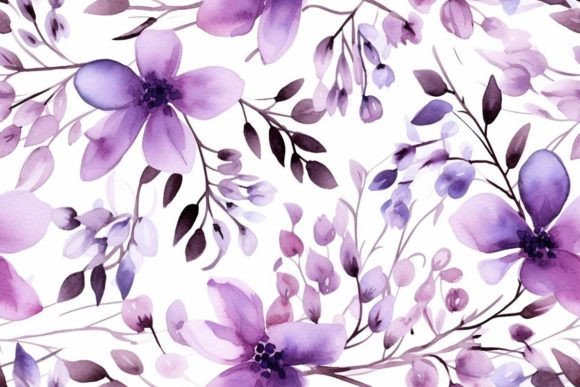
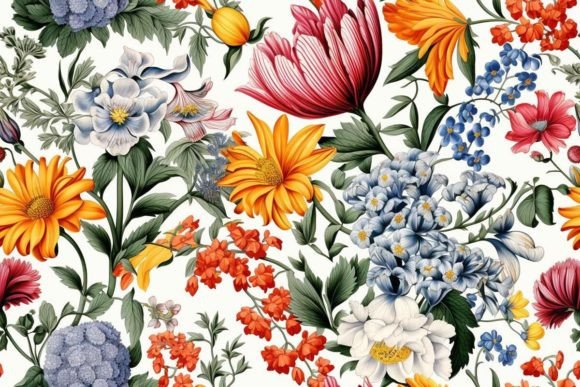
However, tradeoffs exist regarding scale and complexity. High-detail nature patterns, such as those featuring intricate fern fronds or dense floral clusters, can sometimes overwhelm a small space if not scaled correctly. Conversely, overly simplified versions may lack the sophistication required for high-end applications. Another consideration is the source material. As noted in typical asset descriptions, titles associated with these files are often randomly generated and may be misleading. This underscores the importance of evaluating the actual image content rather than relying on metadata or file names when selecting a pattern.
Additionally, the format of the asset matters. Many collections, including those described as containing single JPG files, offer raster-based images. While convenient for quick use, raster formats can lose quality when enlarged beyond their original resolution. Professionals must consider whether a vector version is available if the pattern needs to be printed at large scales or used across multiple media types.
Situations Where This Approach Fits Best
Decorative Design Nature Patterns are particularly strong fits for projects aiming to convey sustainability, wellness, or organic luxury. In healthcare settings, such as spas or clinics, these patterns help establish a calming atmosphere that supports patient recovery. Similarly, in hospitality design, hotels often utilize these motifs to create a sense of place that feels connected to the local environment.
For DIY enthusiasts and hobbyists, these patterns offer an accessible entry point into design. Because nature is a universally understood language, it requires less explanation to communicate the intended mood of a project. A user looking to refresh a bedroom or create custom stationery will find that nature-themed assets provide immediate visual impact without requiring extensive design knowledge to execute successfully.
When Alternatives May Be Preferable
Despite their broad utility, nature patterns are not the optimal choice for every scenario. If the goal is to create a bold, futuristic, or highly corporate identity, a strictly geometric or abstract design might be more effective. Nature patterns can sometimes be perceived as too soft or traditional for industries that prioritize innovation and sharp edges, such as technology startups or high-fashion streetwear brands.
Moreover, accessibility should always be a consideration. Highly detailed nature patterns can create visual clutter that interferes with text readability, making them unsuitable for background elements in web design or signage where legibility is paramount. In these cases, solid colors or very subtle, low-contrast textures derived from nature (rather than explicit depictions) are better alternatives.
Practical Decision-Making Insights
To determine if Decorative Design Nature Patterns align with your specific goals, start by defining the emotional response you wish to elicit from your audience. Are you aiming for relaxation, energy, or stability? Once this is clear, examine the specific assets critically. Do not rely on the file title; instead, inspect the image resolution, color palette, and repeat structure. Ensure that the pattern tiles seamlessly if it is intended for large surfaces.
Consider the medium of delivery. If you are printing on fabric, verify that the color profile matches the material. If you are using digital assets, check the file size and compression level. It is also wise to test the pattern in situ before committing to a full-scale project. Placing a mockup of the design in the actual lighting conditions of a room or on the intended screen device can reveal issues with contrast or tone that are not apparent on a desktop monitor.
Finally, remember that while a single JPG file offers convenience, it may limit long-term flexibility. If the project budget allows, seeking out higher-quality source files or consulting with a designer who can adapt the pattern to your specific needs is often a worthwhile investment. By focusing on the visual evidence rather than promotional claims or random titles, users can make more reliable choices.
Conclusion
Decorative Design Nature Patterns remain a powerful resource for anyone looking to infuse organic beauty into their work. Their ability to evoke emotion and create connection makes them a perennial favorite in design. However, success depends on careful selection and appropriate application. By understanding the strengths, limitations, and ideal use cases of these patterns, creators can ensure that their projects achieve the desired balance of style and functionality. Whether used for a simple home accent or a complex branding campaign, the key lies in choosing the right variation to support the overarching vision.