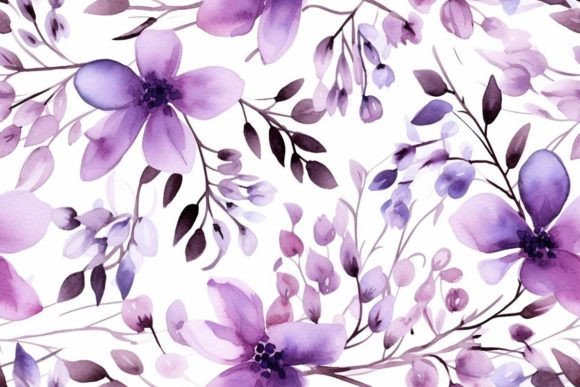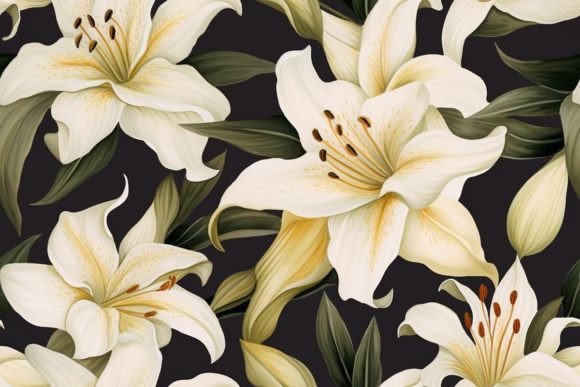
Bringing Nature Indoors: The Timeless Appeal of Home Décor Blooming Patterns
There is a specific kind of magic that happens when a room feels alive. It isn't just about the furniture or the lighting; it is often the subtle, rhythmic presence of nature woven into the very fabric of our living spaces. This is where Home Décor Blooming Patterns step in to transform a static environment into a dynamic sanctuary. Whether you are looking to refresh a bedroom with soft florals or inject a burst of energy into a modern kitchen, these designs offer a versatile solution that bridges the gap between organic beauty and interior design.
When we talk about blooming patterns in the context of home décor, we aren't just discussing simple flower prints. We are talking about a sophisticated language of design that speaks to renewal, growth, and vitality. From the delicate petals of a watercolor rose to the bold, geometric interpretations of tropical blooms, these patterns serve as the heartbeat of a room's aesthetic. They have the unique ability to soften hard lines, add depth to flat surfaces, and create an atmosphere that feels both curated and effortless.
The Psychology of Floral Design in Modern Spaces
Why do we gravitate towards floral motifs time and again? The answer lies deep within our psychological connection to the natural world. In our increasingly digital and urbanized lives, Blooming Patterns act as a visual reminder of the seasons, the earth, and the cycle of life. Studies in environmental psychology suggest that exposure to nature-inspired imagery can lower stress levels and improve mood. By incorporating these patterns into your home, you are essentially bringing a piece of the outdoors inside without the need for maintenance or watering.
However, the application of these patterns has evolved significantly. Gone are the days when florals were restricted to traditional, country-style cottages. Today, they are a staple in minimalist apartments, industrial lofts, and ultra-modern offices. The key is in the execution. A large-scale, high-contrast bloom on a velvet sofa can make a dramatic statement in a sleek, monochromatic room. Conversely, a subtle, tonal print on sheer curtains can diffuse light and add texture without overwhelming the senses.
Navigating Style: From Vintage Charm to Contemporary Edge
One of the most compelling aspects of Home Décor Blooming Patterns is their chameleon-like ability to adapt to various design eras. If you are a lover of vintage aesthetics, you might find yourself drawn to intricate, hand-drawn botanical illustrations reminiscent of 18th-century herbariums. These designs often feature muted greens, dusty pinks, and sepia tones, creating a sense of nostalgia and timeless elegance.
On the other end of the spectrum, contemporary designers are reimagining these classics. Think oversized poppies, abstract daisies, or stylized leaves rendered in neon hues against stark black backgrounds. This approach strips away the sentimentality often associated with flowers and replaces it with graphic impact. When selecting pieces, consider the existing architecture of your home. A Victorian-era fireplace pairs beautifully with detailed, classic blooms, while a mid-century modern living room demands cleaner lines and more abstract interpretations.
Selecting the Right Scale and Density
The scale of the pattern is perhaps the most critical factor in determining how a room feels. Large blooms tend to dominate a space, making them ideal for accent walls, large area rugs, or statement upholstery. They create a focal point that draws the eye immediately. However, if used too heavily in a small room, they can feel overwhelming and cluttered.
Conversely, small, dense floral patterns can create a rich tapestry effect. They work wonderfully for wallpaper in powder rooms or dining nooks where you want to create a cozy, intimate atmosphere. The density of the print also affects the perceived size of the room. Lighter, airy blooms with plenty of negative space can make a room feel larger and more open, while dark, heavy blooms can make a space feel cozier but potentially smaller.
- Large Scale: Best for feature walls, bedspreads, and large sofas. Creates drama and focus.
- Medium Scale: Versatile for curtains, throw pillows, and table linens. Balances detail with visibility.
- Small Scale: Ideal for wallpaper, upholstery on chairs, and accessories. Adds texture without overpowering.
Texture and Material: The Hidden Layer of Blooming Designs
A blooming pattern is not defined solely by its color or shape; the material it is printed on plays an equally vital role. The way light interacts with different fabrics can completely change the mood of a floral design. Imagine the same rose pattern printed on crisp cotton versus plush velvet. On cotton, the design appears fresh, clean, and casual—perfect for summer blinds or kitchen towels. On velvet, the same roses take on a luxurious, romantic quality, catching the light in ways that highlight the depth of the pile.
Consider the tactile experience of your home. Home Décor Blooming Patterns on textured materials like linen, rattan, or even embossed wallpaper add a layer of sensory richness. A linen curtain with a faint, tone-on-tone floral print allows the weave of the fabric to interact with the design, creating a subtle interplay of shadow and light that changes throughout the day. This dimensionality prevents the pattern from feeling flat or mass-produced.
Integrating Blooms into Functional Workflows and Lifestyles
In today's hybrid lifestyle, where our homes serve as offices, gyms, and entertainment centers, the versatility of floral décor is more important than ever. For those working from home, having a calming visual environment is crucial for productivity. Soft, nature-inspired patterns can reduce visual fatigue during long hours at a desk. A rug with a gentle blooming motif under a standing desk or a chair upholstered in a soothing floral fabric can provide a subconscious anchor of tranquility.
Furthermore, these patterns are incredibly practical for family-oriented lifestyles. Unlike solid colors that show every spill or stain, busy floral patterns are forgiving. They hide wear and tear better than plain solids, making them an excellent choice for high-traffic areas like hallways, children's playrooms, and dining areas. This durability does not come at the cost of style; in fact, it adds a lived-in charm that many homeowners cherish.
Color Palettes and Seasonal Adaptability
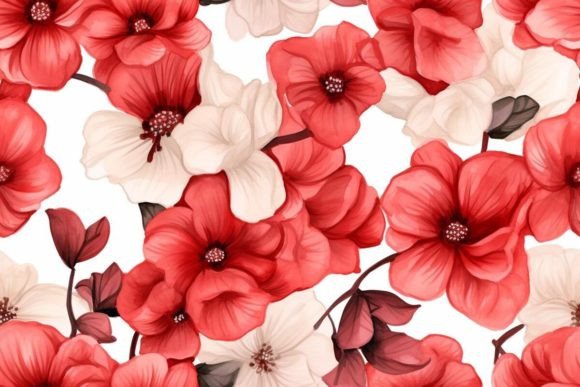
While flowers are inherently colorful, the palette you choose dictates the seasonality of your décor. Spring often calls for pastels—mint greens, baby blues, and soft lavenders. Summer invites brighter, sunnier tones like coral, yellow, and turquoise. Autumn shifts towards deeper, earthier hues such as burgundy, mustard, and burnt orange. Winter, however, offers a unique opportunity to use white, silver, or icy blue blooms to mimic snow and frost, keeping the space bright despite the lack of daylight.
The beauty of using Home Décor Blooming Patterns is that you don't need to overhaul your entire home to change with the seasons. Swapping out a few throw pillows, changing the bedding, or adding a seasonal runner can completely shift the vibe of a room. This modularity makes floral décor one of the most cost-effective ways to keep your home feeling fresh and current year-round.
Practical Considerations for the Modern Buyer
Before committing to a significant floral investment, there are practical factors to weigh. First, consider the lighting in the room. Natural light enhances the vibrancy of floral prints, but artificial lighting can sometimes alter colors. Test your samples at different times of the day to ensure the colors remain true to your vision. Second, think about the longevity of the trend. While some floral styles are fleeting fads, others are classics that transcend generations. Opting for neutral backgrounds with colored blooms is a safe bet that ensures your décor remains stylish for years to come.
Finally, remember that balance is key. If you are introducing a bold blooming pattern, pair it with solid elements to let it breathe. If the room already features strong geometric shapes or stripes, a floral print can soften the edges and create a harmonious contrast. The goal is to create a space that feels intentional and cohesive, where every element supports the overall narrative of the room.
Ultimately, Home Décor Blooming Patterns are more than just a design choice; they are a way of expressing a love for life and nature. Whether you choose a single statement piece or an all-over embrace of florals, these patterns bring a warmth and character that solid colors simply cannot match. By understanding the nuances of scale, texture, and color, you can curate a home that not only looks beautiful but also feels like a true reflection of your personality and lifestyle.