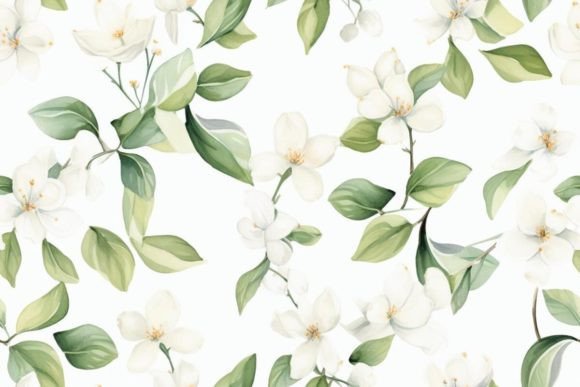
Understanding Plant Patterns Botanical Art: A Comprehensive Guide for Creators and Collectors
In the realm of digital design and artistic expression, few subjects offer as much visual depth and educational value as Plant Patterns Botanical Art. This category represents a convergence of scientific accuracy and aesthetic beauty, capturing the intricate details of flora in formats that are versatile for both professional and personal use. For adults aged 20 to 50 who are evaluating resources for creative projects, interior design, or educational materials, understanding the nuances of this art form is essential. It is not merely about selecting an image; it is about choosing a resource that balances historical botanical traditions with modern digital utility.
The Essence of Plant Patterns Botanical Art
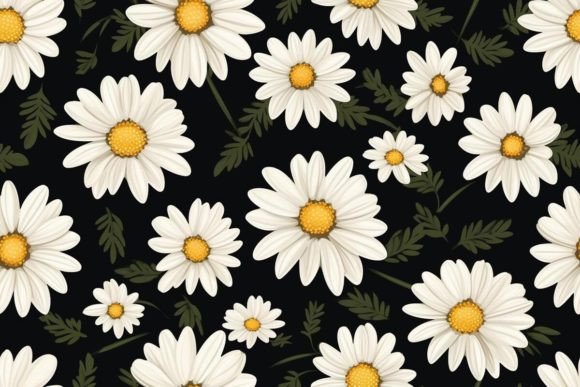
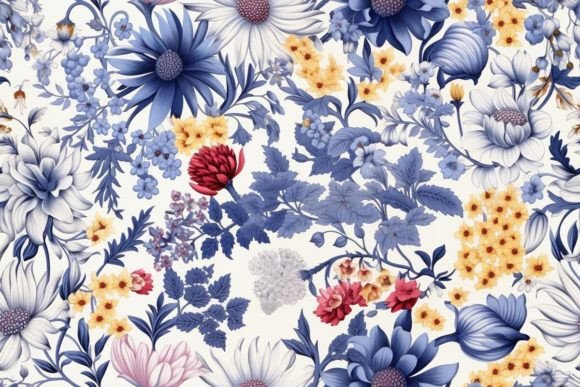
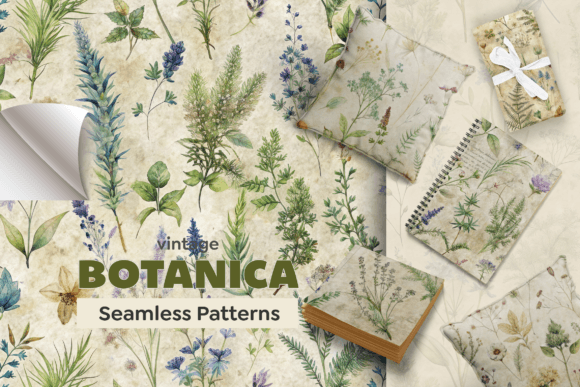
At its core, Plant Patterns Botanical Art draws from centuries of tradition where artists documented nature with precision. Unlike generic floral illustrations that prioritize stylization over accuracy, botanical art focuses on the specific morphological features of plants. This includes the arrangement of leaves, the structure of stems, the texture of bark, and the precise geometry of flowers. When applied to patterns, these elements are repeated or arranged to create cohesive designs that retain their scientific integrity while serving decorative purposes.
What distinguishes this specific collection is the emphasis on high-resolution imagery intended for practical application. The files provided, typically delivered in accessible formats like JPG, allow users to integrate these patterns into various mediums without losing quality. Whether you are designing a website background, creating fabric prints, or planning a home decor project, the ability to utilize detailed plant imagery ensures that the final output looks professional and authentic. The randomness of generated titles often found in such collections can be misleading if one relies solely on metadata; however, the visual content remains the primary indicator of value. A critical evaluation should always focus on the clarity, composition, and artistic merit of the images themselves rather than descriptive labels.
Evaluating Options: How Does It Compare?
When exploring alternatives to Plant Patterns Botanical Art, consumers often encounter several distinct categories of imagery. These include vector-based illustrations, watercolor scans, abstract floral designs, and stock photography. Each option serves different needs, and understanding the tradeoffs is crucial for making an informed decision.
- Vector Illustrations: While vectors offer infinite scalability, they often lack the organic texture and subtle imperfections that characterize traditional botanical art. Plant Patterns Botanical Art excels in providing a more natural, hand-crafted feel that resonates with audiences seeking authenticity over geometric perfection.
- Abstract Floral Designs: Abstract art prioritizes mood and color over structural accuracy. If your goal is to convey a specific emotion or modern aesthetic, abstract options may suffice. However, for projects requiring botanical identification or a connection to nature's realism, abstract styles fall short.
- Stock Photography: Real photographs capture light and shadow beautifully but can be difficult to tile seamlessly into patterns. The specialized nature of Plant Patterns Botanical Art often involves compositions specifically curated for repetition and layout, offering better usability for pattern-making than standard photos.
The decision often comes down to the intended medium. For print-on-demand products, textiles, or high-definition wall art, the resolution and detail level of botanical patterns are superior. Conversely, for small icons or UI elements, simpler vector graphics might be more efficient. Evaluating the file type is also part of this process; the inclusion of high-quality JPG files ensures compatibility with most design software, though users needing editable layers may need to consider supplementary tools.
Strengths, Limitations, and Decision Factors
Selecting the right botanical resource requires a clear assessment of strengths and limitations. One of the primary advantages of Plant Patterns Botanical Art is its versatility. The detailed rendering allows for use in educational contexts, where accurate representation of species is vital, as well as in commercial design, where aesthetic appeal drives sales. The high fidelity of the images supports zooming and cropping without significant degradation, a critical factor for large-format printing.
However, there are tradeoffs to consider. The complexity of botanical art can sometimes result in busy patterns that may overwhelm a design if not balanced correctly. Unlike minimalist line art, which offers negative space and breathing room, dense botanical patterns require careful consideration of color palettes and layout spacing. Additionally, while the files are ready-to-use, they may lack the customizability of raw vector data. Users looking to drastically alter colors or shapes might find the raster format (JPG) limiting compared to fully editable source files.
Another important factor is the curation quality. As noted in many product descriptions, titles can be randomly generated and may not accurately reflect the specific species depicted. This necessitates a visual-first approach to selection. A robust evaluation strategy involves scrolling through the thumbnails to verify the artistic style matches the project requirements. Is the style realistic or illustrative? Are the colors muted or vibrant? Does the pattern repeat seamlessly? Answering these questions before purchase prevents mismatched expectations.
Best-Fit Situations for Plant Patterns
So, when is Plant Patterns Botanical Art the right choice? It is particularly well-suited for projects that aim to evoke a sense of calm, nature, and timelessness. Interior designers frequently utilize these patterns for wallpaper, upholstery, and bedding to bring an organic element into living spaces. The detailed nature of the art adds a layer of sophistication that generic clipart cannot achieve.
For educators and students, these patterns serve as excellent visual aids. They can be used in textbooks, presentations, or interactive apps to teach botany, biology, or environmental science. The visual clarity helps learners identify key plant structures, bridging the gap between textbook definitions and real-world observation. Furthermore, crafters and DIY enthusiasts appreciate the availability of high-resolution files that can be printed for scrapbooking, card making, or decoupage projects.
In the context of branding and packaging, companies focusing on wellness, organic foods, cosmetics, or sustainable goods often choose botanical patterns to communicate natural ingredients and eco-friendly values. The association between botanical art and purity makes it a strategic choice for marketing materials that wish to establish trust and credibility.
When to Choose Alternatives
Despite its many benefits, Plant Patterns Botanical Art is not a universal solution. If a project demands a highly stylized, cartoonish look, or if the design requires simple, flat graphics for mobile interfaces, this level of detail may be unnecessary and visually cluttered. In cases where the design needs to be heavily manipulated—such as changing the color of a specific leaf across a complex pattern—the lack of vector editing capabilities in JPG files can be a hindrance.
Additionally, budget-conscious users might find that purchasing individual pattern packs is less cost-effective than subscribing to a broad library of mixed assets. If the requirement is for a wide variety of non-botanical themes alongside plant patterns, a comprehensive asset bundle might offer better value. Similarly, for users who require legal certainty regarding copyright, especially for commercial resale, it is imperative to verify the licensing terms associated with the specific download. While many collections offer generous usage rights, assumptions should never replace reading the fine print.
Making an Informed Choice
Navigating the vast landscape of digital art resources requires a methodical approach. When evaluating Plant Patterns Botanical Art, prioritize the visual evidence over the text. Examine the sharpness of the lines, the richness of the colors, and the potential for integration into your specific workflow. Consider whether the artistic style aligns with your brand identity or project goals. If the images inspire creativity and provide the necessary detail for your application, they are likely a valuable addition to your toolkit.
Ultimately, the value of these resources lies in their ability to connect us with the natural world through the lens of art and design. Whether used for inspiration, education, or commerce, high-quality botanical patterns offer a timeless aesthetic that transcends fleeting trends. By focusing on the quality of the images and understanding their specific applications, creators can make choices that enhance their work and resonate with their audience. As you explore further, remember that the best resource is the one that fits your unique needs, balancing artistic integrity with practical functionality.