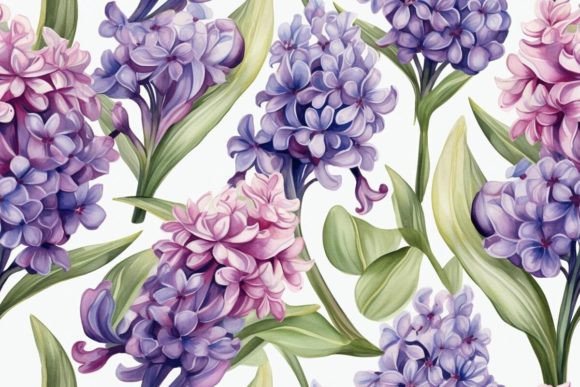
Unlocking the Potential of Nature Patterns Allover Pattern for Creative Projects
In the realm of design, few elements possess the universal appeal and structural versatility found in organic motifs. The Nature Patterns Allover Pattern represents a significant shift from rigid, geometric designs to fluid, biologically inspired aesthetics that resonate deeply with human psychology. Whether you are a professional graphic designer seeking fresh textures, an educator looking for engaging visual aids, or a hobbyist interested in textile arts, understanding the nuances of allover patterns is essential. This comprehensive guide explores the multifaceted applications, technical characteristics, and strategic advantages of utilizing nature-inspired allover designs in various contexts.
The Architecture of Organic Repetition
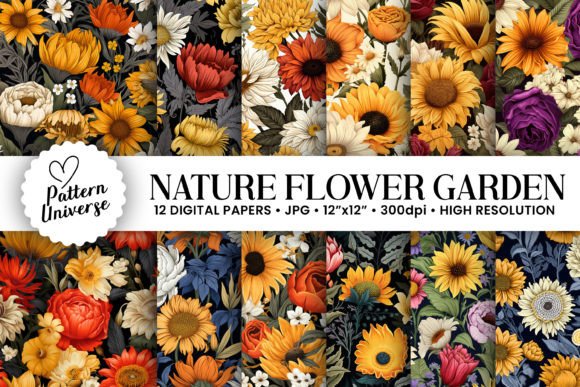
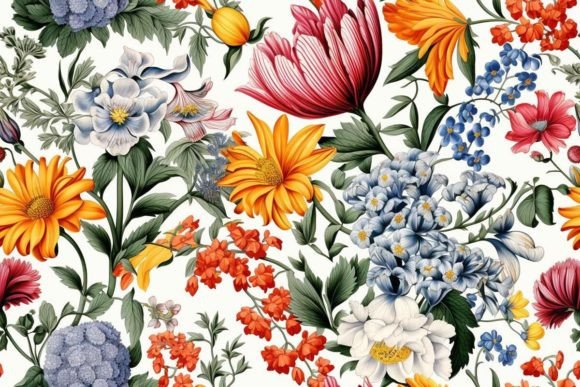
To fully appreciate the utility of these designs, one must first understand the concept of an allover pattern. Unlike focal-point designs where a specific image anchors the composition, an allover pattern distributes visual interest evenly across the entire surface. There is no single "top" or "bottom," creating a seamless field of texture. When this structure is infused with nature patterns, the result is a complex interplay of leaves, vines, flowers, and botanical forms that mimic the chaotic yet ordered growth found in forests and meadows.
This specific category of digital assets often comes packaged in versatile formats, such as high-resolution JPEG files, designed to offer immediate usability. While product listings may sometimes contain generic titles that do not accurately reflect the specific botanical species included, the visual content remains the primary asset. By focusing on the imagery itself rather than the metadata, creators can unlock a wide array of possibilities. The randomness inherent in natural growth ensures that the repetition never feels mechanical or robotic, a quality that is highly prized in modern aesthetic standards.
Visual Continuity and Seamlessness
The defining characteristic of a successful allover pattern is its ability to tile without visible breaks. In the context of Nature Patterns Allover Pattern collections, the precision of the tiling determines the final output's quality. For professionals working in web design or print production, a broken seam can ruin an otherwise perfect layout. These patterns are engineered to ensure that when the image repeats horizontally and vertically, the transition is imperceptible to the naked eye. This continuity allows designers to create backgrounds that feel expansive and immersive, effectively transforming flat surfaces into dynamic environments.
- Seamless Tiling: Ensures edges match perfectly when repeated.
- Scalability: High-resolution files allow for large-scale printing without pixelation.
- Texture Depth: Creates a sense of three-dimensionality through layering.
Diverse Applications Across Industries
The adaptability of nature-themed allover patterns extends far beyond simple decoration. Their application spans multiple sectors, each leveraging the unique properties of organic imagery to achieve specific goals. From the tangible world of fashion to the digital landscape of user interface design, these patterns serve as a bridge between technology and the natural world.
Textile and Fashion Design
In the fashion industry, the demand for sustainable and earthy aesthetics continues to rise. Designers utilize Nature Patterns Allover Pattern files to create fabrics for clothing, home decor, and accessories. The allover nature of these designs makes them ideal for cutting fabric pieces at any angle without worrying about disrupting the motif. A dressmaker can cut a sleeve from the middle of a patterned sheet, and the resulting garment will maintain the integrity of the design. Furthermore, the psychological impact of nature imagery on consumers cannot be overstated; clothing featuring these patterns often evokes feelings of calm, grounding, and connection to the environment.
Digital Media and User Interfaces
For web developers and app designers, background noise and visual fatigue are constant challenges. Using a nature pattern as a subtle backdrop can enhance readability while adding personality to a website. Unlike solid colors which can appear sterile, or photographs which can distract from text, a well-constructed allover pattern provides a textured canvas that supports content. Educators and researchers also find value in these visuals for presentations and reports, using them to break up dense blocks of text and maintain audience engagement.
Interior Design and Spatial Planning
Interior designers frequently turn to allover patterns to define spaces. Wallpaper, upholstery, and even flooring can benefit from the organic flow of botanical motifs. When applied to walls, these patterns can alter the perceived size of a room; intricate details can make a space feel cozy and intimate, while larger, sparser motifs can open up a room visually. The key lies in selecting the right density and contrast level within the pattern to suit the lighting conditions and functional requirements of the space.
Strategic Advantages for Creators and Businesses
Beyond the aesthetic appeal, there are practical reasons why professionals choose to incorporate these patterns into their workflow. The efficiency gained from using pre-designed, high-quality allover patterns can significantly reduce project timelines and costs.
- Cost-Effectiveness: Purchasing a single digital file containing a complex nature pattern is often more economical than commissioning a custom illustration or photographing physical textures.
- Consistency: Brands can use the same Nature Patterns Allover Pattern across different touchpoints—packaging, websites, and marketing materials—to build a cohesive visual identity.
- Flexibility: Digital files can be manipulated using standard software tools to change color palettes, scale, or opacity, allowing for infinite variations from a single source file.
For businesses, particularly those in the eco-friendly sector, utilizing these patterns aligns with corporate social responsibility narratives. It signals a commitment to environmental themes without requiring the company to manufacture physical products that might have a carbon footprint. Instead, the digital distribution of these assets offers a low-impact way to engage with customers who value sustainability.
Considerations for Implementation
While the benefits are clear, successful implementation requires careful consideration. One common pitfall is relying solely on the title provided by a vendor. As noted in many product descriptions, titles can be randomly generated and may be misleading regarding the specific type of flora depicted. A pattern titled "Tropical Ferns" might actually contain a mix of generic leaf shapes. Therefore, the most prudent approach is to analyze the visual content directly. Zooming in to check the resolution and examining the color depth is crucial before purchasing or integrating the asset into a commercial project.
Another consideration is the color palette. Nature patterns often come in green-heavy tones, but effective design requires balancing these with complementary colors. If a pattern is too busy or has low contrast, it may cause accessibility issues for users with visual impairments. Designers must test the pattern against white text, dark text, and other UI elements to ensure legibility. Adjusting the opacity of the pattern layer so that it serves as a subtle texture rather than a dominant distraction is a best practice in both print and digital media.
The Evolution of Botanical Aesthetics
The trend towards using nature patterns is not merely a fleeting fad but a reflection of a broader cultural shift. As urbanization increases, the desire to bring the outdoors inside becomes stronger. This phenomenon, known as biophilic design, seeks to connect building occupants more closely with nature. Allover patterns play a pivotal role in this movement by providing a scalable way to introduce organic elements into built environments.
Historically, botanical illustrations were scientific documents meant for identification. Today, they have evolved into artistic expressions that prioritize mood and atmosphere over taxonomic accuracy. The Nature Patterns Allover Pattern collection exemplifies this evolution, offering designs that capture the spirit of the wild rather than just the literal representation of a plant. This abstraction allows for greater creative freedom, enabling artists to blend realism with stylization to create unique visual languages.
Community and Collaboration
The creation and sharing of these digital assets foster a sense of community among creators. Platforms where these patterns are hosted often encourage feedback and interaction. Users are invited to leave reviews, share how they utilized the images, and suggest future directions for new collections. This collaborative ecosystem ensures that the available resources evolve to meet the changing needs of the market. For instance, if a large number of requests come in for monochromatic versions of a popular nature pattern, creators can respond by generating grayscale variants, thereby expanding the utility of the original asset.
Supporting these creators by following their updates and engaging with their content helps sustain a vibrant marketplace of design resources. It encourages the production of higher quality, more diverse patterns that push the boundaries of what is possible with digital art. Whether you are a seasoned professional or a beginner exploring your first design project, staying connected to these communities provides access to the latest trends and techniques.
Maximizing Value Through Technical Proficiency
To truly leverage the potential of an allover pattern, one must possess a basic understanding of the technical aspects involved. File format matters significantly; while JPEG is widely supported and easy to use, it uses lossy compression which can sometimes introduce artifacts in fine details. For critical projects involving large prints, ensuring the source file is of sufficient DPI (dots per inch) is vital. Typically, 300 DPI is the standard for print, while 72 DPI suffices for screen display, though high-density screens now require higher resolutions.
Software compatibility is another factor. Most major design suites like Adobe Photoshop, Illustrator, and Affinity Designer handle these files seamlessly. However, for web developers, converting the pattern into a CSS background-repeat property or an SVG sprite can optimize loading times. Understanding how to implement the pattern programmatically ensures that the visual fidelity is maintained across different devices and browsers. This technical proficiency transforms a static image into a dynamic component of a larger system.
Conclusion: A Timeless Design Element
The Nature Patterns Allover Pattern stands as a testament to the enduring power of organic forms in design. Its ability to adapt to various mediums, from the smallest mobile screen to the largest architectural facade, makes it an invaluable tool for anyone in the creative field. By focusing on the visual richness and structural integrity of these patterns, rather than getting lost in generic titles, creators can produce work that is both aesthetically pleasing and functionally robust.
As we move forward, the integration of nature-inspired aesthetics will likely become even more prevalent. The demand for designs that evoke tranquility, sustainability, and connection to the earth shows no signs of waning. Whether you are designing a new brand identity, creating educational materials, or simply decorating your personal space, embracing these patterns offers a pathway to innovation. The key lies in thoughtful selection, technical execution, and a willingness to explore the endless variations that nature offers. By doing so, you contribute to a culture of creativity that honors the natural world while pushing the boundaries of human expression.