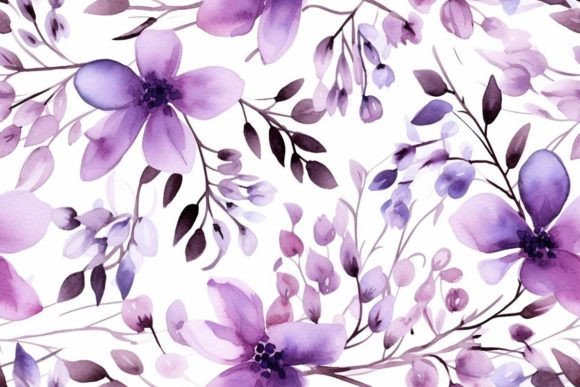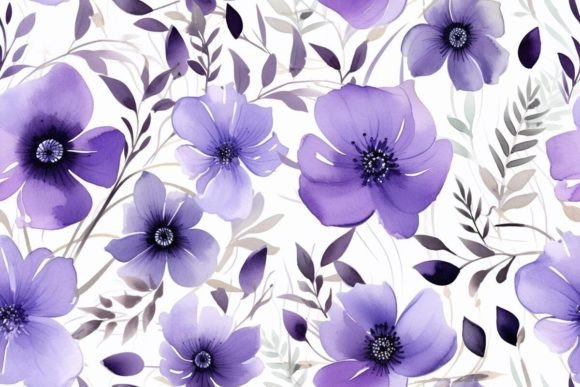
Repeating Patterns Floral Illustration: A Strategic Asset for Visual Branding and Design
In the competitive landscape of digital content and physical product design, visual consistency is not merely an aesthetic choice; it is a strategic imperative. Repeating patterns floral illustration serves as a powerful tool for professionals seeking to establish a cohesive brand identity while maintaining operational efficiency. For entrepreneurs, marketers, and creators aged 20 to 50, understanding how to leverage these assets goes beyond simple decoration. It involves recognizing how structured visual elements can influence customer perception, streamline production workflows, and enhance long-term brand recall.
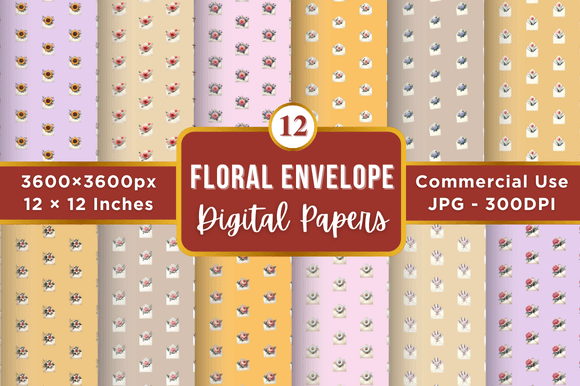
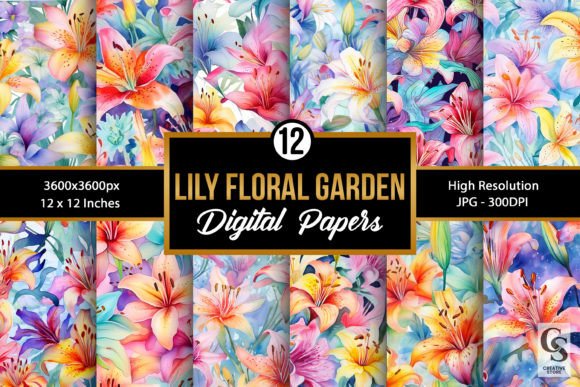
When you acquire a set of repeating patterns floral illustration, you are often provided with specific file formats, typically including high-resolution JPG files ready for immediate deployment. However, the true value lies in how these images are integrated into your broader business strategy. The files may come with randomly generated titles that do not always reflect the specific utility or style of the artwork. Therefore, relying on the product image itself rather than the metadata is the first step in making informed decisions about where and how to apply these designs.
The Strategic Value of Structured Visual Elements
A repeating pattern is defined by its predictability and rhythm. Unlike a single, isolated illustration which might serve as a focal point, a floral illustration designed to repeat creates a continuous texture that can fill space without overwhelming the viewer. This characteristic makes it exceptionally useful for branding materials where background consistency is required.
For small business owners and freelancers, the ability to generate consistent backgrounds for social media posts, email newsletters, or website headers is a significant productivity booster. Instead of designing a unique background for every campaign, a well-chosen repeating pattern floral illustration provides a reliable framework. This allows decision-makers to focus their creative energy on the core message or product offering rather than the structural layout of the visual.
Furthermore, from a psychological perspective, repetition breeds familiarity. In marketing, the mere exposure effect suggests that consumers develop a preference for things simply because they are familiar. By consistently using a specific floral motif across various touchpoints, you reinforce brand recognition. The pattern becomes a visual shorthand for your brand, signaling quality and attention to detail before a customer even reads the text.
Applications Across Professional Sectors
The versatility of floral illustrations extends far beyond traditional craft markets. Professionals in diverse fields can utilize these assets to support specific goals:
- Educators and Content Creators: Use subtle floral patterns as backgrounds for educational worksheets, presentation slides, or course materials. The organic nature of flowers can soften the tone of complex information, making learning materials more approachable and less intimidating.
- Publishers and Bloggers: Implementing these patterns in digital publications can improve readability by creating distinct sections. A repeating border or header pattern helps guide the reader's eye through long-form content, reducing cognitive load.
- Retail and E-commerce: For packaging designers, a repeating pattern floral illustration offers a cost-effective way to create premium-looking boxes, wrapping paper, or shopping bags. High-quality JPG files ensure that the print output remains crisp, directly impacting the perceived value of the product.
- Hobbyists and DIY Entrepreneurs: Those engaging in print-on-demand businesses can use these patterns to differentiate their products. Whether applied to mugs, t-shirts, or home decor, the right floral motif can elevate a generic item into a curated lifestyle product.
Planning and Decision-Making in Design Selection
Selecting the right asset requires a thoughtful approach. Before downloading or purchasing a collection, it is crucial to evaluate the scalability and context of the repeating patterns floral illustration. Not all floral designs are created equal; some feature tight, intricate details that may lose definition when scaled down for mobile screens, while others have bold strokes that might overpower delicate typography.
When reviewing the available files, prioritize the visual composition over the file name. As noted in many asset descriptions, titles can be misleading. You must examine the actual imagery to determine if the scale of the flowers matches your intended application. If you plan to use the pattern as a full-page background, ensure the motifs are large enough to be visible but small enough to allow text to remain legible. Conversely, if the pattern is intended for a watermark or a subtle accent, a denser arrangement might be preferable.
Strategic planning also involves considering the color palette. A floral illustration that looks vibrant in isolation might clash with your existing brand colors when repeated. Effective design integration requires testing the pattern against your primary color scheme to ensure harmony. This pre-emptive check prevents costly rework later in the production process.
Intentional Usage vs. Random Application
One of the most common pitfalls in utilizing graphic assets is applying them randomly. Using a repeating pattern floral illustration without a clear objective can dilute your brand message. For instance, placing a whimsical, colorful floral pattern on a corporate financial report would likely confuse the audience and undermine the authority of the document. Context is king.
To use these assets intentionally, align the visual style with the emotional goal of the communication. Soft, watercolor-style florals might be appropriate for wellness brands, wedding planners, or children's education materials. In contrast, geometric or stylized floral patterns might suit modern tech startups or minimalist fashion lines. The key is to ensure the "voice" of the illustration matches the voice of your brand.
Consider the lifecycle of the asset as well. Trends change, but timeless botanical illustrations often have a longer shelf life. Investing in a versatile collection of floral illustrations that can adapt to different seasons or campaigns ensures long-term value. This approach supports sustainable business practices by reducing the need to constantly source new graphics.
Operational Efficiency and Workflow Optimization
From an operations standpoint, having a library of high-quality, pre-made repeating patterns floral illustration files can significantly streamline workflow. For agencies managing multiple clients, having a repository of approved textures allows for faster turnaround times on deliverables. Instead of spending hours sourcing or creating custom backgrounds, teams can drag and drop a relevant pattern, adjust the opacity, and move forward with the project.
This efficiency translates directly to better resource allocation. When the team spends less time on basic design tasks, they can dedicate more time to strategy, copywriting, and customer engagement. The result is a higher quality end-product that delivers better results for the client or the business owner.
Additionally, the technical specifications of the files matter. Most professional collections provide JPG files that are optimized for web use, balancing file size with resolution. This ensures that websites load quickly without sacrificing visual quality. For print applications, verifying the DPI (dots per inch) of the downloaded image is essential to avoid pixelation. Always inspect the image at 100% zoom before committing to a print run.
Risks and Mitigation Strategies
While the benefits are substantial, there are risks associated with using stock or pre-made assets without due diligence. One major concern is over-saturation. If a particular floral pattern is widely used by competitors, it may fail to distinguish your brand. To mitigate this, consider customizing the pattern by altering the color scheme, flipping the orientation, or layering it with other textures.
Another risk is the misalignment of legal usage rights. While many assets are royalty-free, the terms of use vary. Some licenses restrict commercial use or require attribution. Always review the licensing agreement associated with the repeating patterns floral illustration to ensure compliance. Ignoring these terms can lead to legal complications that outweigh the initial savings of using free or cheap assets.
There is also the risk of visual fatigue. Overusing a pattern, particularly one with high contrast or busy details, can cause user fatigue. Users may subconsciously ignore areas covered by heavy textures, potentially missing critical calls to action or important information. The solution is moderation. Use the floral illustration to frame content or highlight specific sections rather than covering entire interfaces.
Conclusion: Building Long-Term Value Through Intentional Design
The effective use of repeating patterns floral illustration is a testament to the power of intentional design. It is not about filling empty space; it is about creating a visual environment that supports your business goals, enhances user experience, and communicates your brand values clearly. By carefully selecting assets based on their visual properties rather than their titles, and by integrating them into a coherent strategy, professionals can achieve superior outcomes.
Whether you are a freelancer looking to upgrade your portfolio, a marketer aiming to boost engagement, or an entrepreneur building a new brand, these floral assets offer a foundation for creativity. They provide the structure needed to build something unique. Remember that the success of any design element lies in its execution. Take the time to understand the pattern, test it in your specific context, and use it to tell a story that resonates with your audience. In doing so, you transform a simple graphic file into a strategic business asset that drives growth and fosters lasting connections.