Geometric Ethnic Patterns
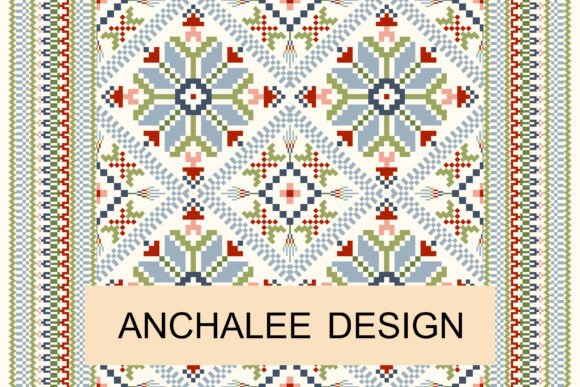
In the landscape of modern design, few visual languages are as versatile or culturally rich as geometric ethnic patterns. These designs, often characterized by intricate arrangements of shapes, lines, and abstract forms rooted in indigenous traditions, have transcended their origins to become staples in global textile and graphic industries. When viewed through the lens of a high-resolution vector illustration—such as an Aztec-style floral pixel art embroidery on a white background—these patterns offer a unique intersection of traditional craftsmanship and digital precision.
For designers, manufacturers, and creatives evaluating assets for fabric, clothing, wrapping, or decoration, understanding the specific attributes of these patterns is essential. This evaluation explores what constitutes geometric ethnic patterns, the practical benefits of utilizing them in commercial projects, and the considerations necessary to ensure they align with your specific goals.
Defining the Aesthetic: From Tradition to Vector
At its core, a geometric ethnic pattern combines the structural discipline of geometry with the cultural storytelling inherent in ethnic motifs. Unlike purely organic floral designs, which mimic nature's irregularity, geometric patterns rely on symmetry, repetition, and mathematical precision. The "Aztec style" mentioned in contemporary collections is a prime example, featuring stepped pyramids, diamonds, and zigzags that convey movement and stability simultaneously.
The evolution of this aesthetic into digital formats, specifically vector illustrations, has revolutionized its application. A file format like EPS or JPG at 6000 x 4000 pixels allows for extreme scalability without loss of quality. This is particularly relevant when the source material mimics textures like floral pixel art embroidery. While the visual output resembles hand-stitched threadwork, the underlying structure is mathematically defined. This duality allows the design to retain the warmth and tactile appeal of traditional craft while offering the technical advantages of digital reproduction.
Evaluating the Utility of Geometric Ethnic Patterns
Why do professionals consistently select these patterns for diverse applications? The answer lies in their adaptability and visual impact. When selecting a texture for fabric or clothing, the primary concern is usually how well the pattern interacts with the material's surface. Geometric ethnic patterns excel here because their repetitive nature creates a sense of continuity that works seamlessly across large cuts of cloth.
- Versatility in Application: The same asset can serve as a print for a scarf, a background for a poster, or a texture for gift wrapping. The high resolution (6000x4000) ensures that whether the design is scaled down for a small accessory or blown up for a wall covering, the details remain crisp.
- Cultural Resonance: For brands aiming to evoke a sense of heritage, adventure, or artisanal quality, these patterns provide an immediate visual shorthand. They suggest authenticity and human connection, which is increasingly valued in a mass-produced market.
- Design Flexibility: Because these patterns are often available in vector formats, they can be easily recolored, rotated, or modified. An abstract background can be darkened for evening wear or lightened for summer collections without needing to recreate the artwork from scratch.
Tradeoffs and Considerations in Selection
While the benefits are significant, relying on geometric ethnic oriental pattern vector illustrations requires careful consideration of potential tradeoffs. The most critical factor is the balance between abstraction and clarity.
Complexity vs. Readability: High-detail designs, such as those mimicking complex embroidery, can sometimes suffer from visual noise when printed on certain fabrics. If the contrast between the pattern and the base color is too low, the intricate details may disappear. Conversely, if the pattern is too dense, it can overwhelm the wearer or the product, making it difficult to pair with other elements in a larger composition.
Contextual Appropriateness: Not every brand identity fits the aesthetic of Aztec or tribal motifs. These patterns carry strong cultural connotations. In a corporate setting or a minimalist interior design project, a bold, colorful geometric ethnic pattern might feel out of place. Designers must evaluate whether the "ethnic" element aligns with the overall tone of the project or if it risks appearing as a superficial appropriation rather than a respectful integration.
Technical Constraints: While a 6000x4000 pixel file is excellent for print, it can be cumbersome for web use. Users must ensure that the file is optimized appropriately for digital platforms to prevent slow load times, even though the primary utility of these assets is typically physical production.
Situations Where This Pattern Style Excels
There are specific scenarios where choosing a geometric ethnic pattern is not just an option but the optimal decision. These include:
- Textile Manufacturing: For creating scarves, upholstery, or fashion collections, the seamless nature of these patterns is invaluable. The ability to tile the design without visible breaks ensures a professional finish on garments that wrap around the body.
- Branding and Packaging: Companies selling artisanal goods, spices, or travel-related products often utilize these textures to communicate a narrative of exploration and authenticity. The "wrapping" aspect mentioned in design briefs is particularly effective here; a box wrapped in this pattern immediately signals premium quality.
- Interior Decoration: As an abstract background for wallpapers or decorative pillows, these patterns add depth and character to a room. The white background variant is especially useful for overlaying onto colored surfaces, allowing for easy customization.
When to Consider Alternatives
Despite their strengths, geometric ethnic patterns are not a universal solution. There are situations where alternative design approaches may yield better results.
If the goal is to create a calming, restful environment, a busy, high-contrast Aztec pattern might induce anxiety rather than relaxation. In such cases, a softer, more organic floral design or a subtle solid color would be preferable. Similarly, for tech-focused or futuristic branding, the historical weight of ethnic motifs might clash with the desired image of innovation and sleekness. In these instances, abstract geometric shapes devoid of cultural specificity—or clean, linear minimalism—would be more effective.
Practical Decision-Making Insights
To determine if a specific asset, such as the described floral pixel art embroidery, aligns with your needs, consider the following checklist:
- Resolution Check: Verify that the 6000x4000 pixel dimension meets your largest intended output size. Remember that print requires significantly higher DPI (dots per inch) than digital screens.
- File Format Compatibility: Ensure your production workflow supports the provided formats (EPS for editing, JPG for quick previews). If you need to manipulate the colors extensively, an editable vector format is mandatory.
- Color Palette Analysis: Assess if the default colors of the pattern match your brand guidelines. A pattern with a vibrant red and blue palette may require significant recoloring to fit a monochromatic scheme.
- Target Audience: Consider who will view the final product. Does the demographic resonate with the cultural references embedded in the design?
Conclusion
Geometric ethnic patterns represent a powerful tool in the designer's arsenal, bridging the gap between ancient tradition and modern digital capabilities. Their ability to function as textures for fabric, backgrounds for graphics, and decorations for gifts makes them highly valuable. However, successful implementation depends on a nuanced understanding of their visual weight, cultural context, and technical requirements.
By carefully weighing the benefits of their versatility against the tradeoffs of complexity and appropriateness, creators can make informed decisions. Whether utilized for a high-fashion scarf or a decorative wrapping paper, the key lies in ensuring that the pattern serves the project's functional and aesthetic goals rather than merely filling space. With the right approach, these designs transform from simple images into compelling visual narratives.